iPhone 18 Pro Max: 2nm Chip & 5,500mAh Battery Leaks
The iPhone 18 Pro Max is tipped for a September launch with a massive 5,500mAh battery and TSMC's 2nm A20 Pro chip. Expect significant performance gains, extended battery life, and enhanced computational photography. IT managers and developers, pay attention.
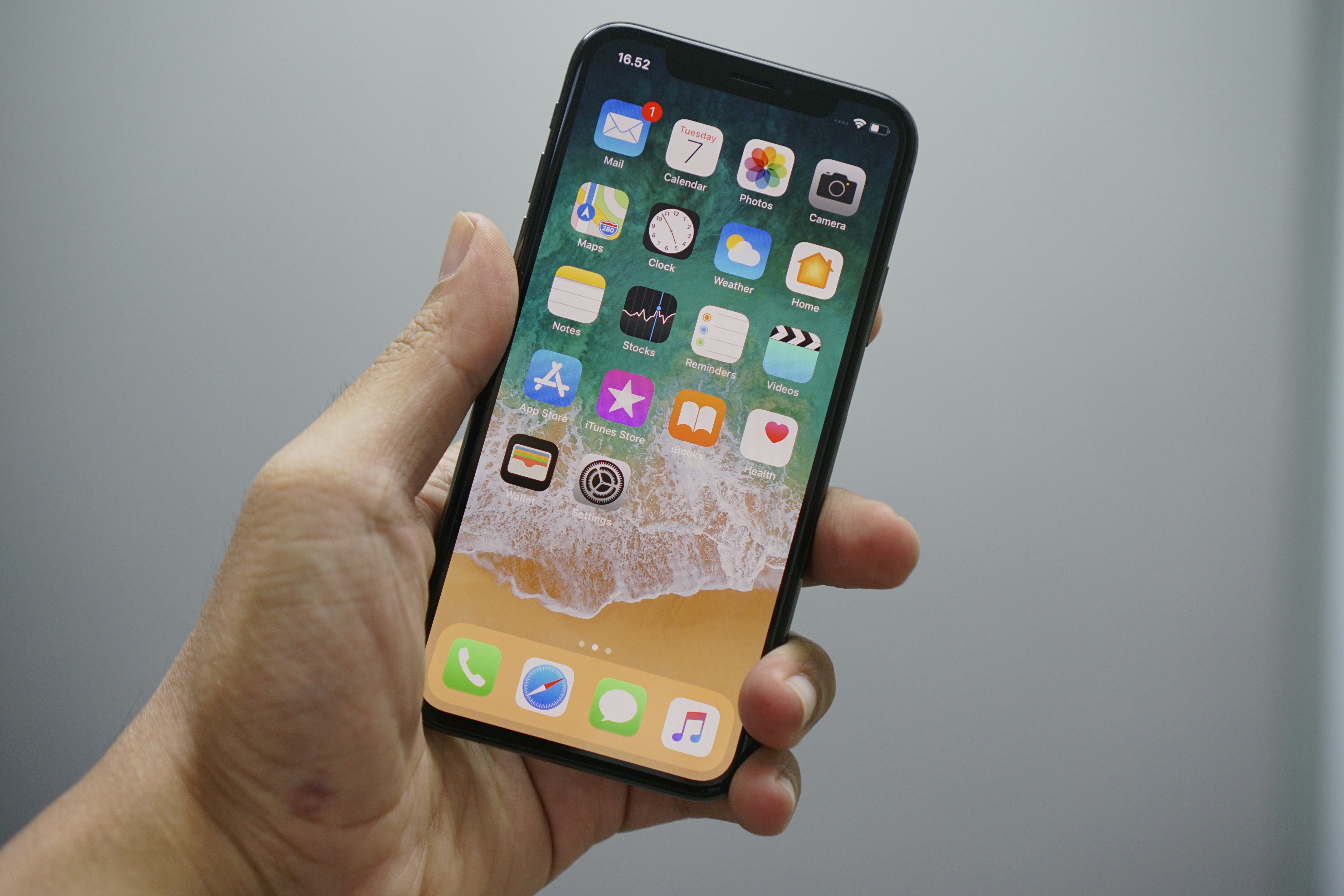
iPhone 18 Pro Max: A Power Play on TSMC's 2nm Horizon
Forget incremental upgrades. Big leap. The iPhone 18 Pro Max, expected to launch in September, is all about power consumption and raw performance. Apple is packing a massive 5,500mAh battery — that's not a typo. Leaks suggest capacities ranging from 5,391mAh to 5,567mAh. A substantial jump. If accurate, this means Apple is serious about extending the device's operational window. Critical for any user. Especially for those running resource-intensive applications.
This isn't just about endurance. Battery upgrade comes with a thicker 9mm profile and a 240g weight. Strategic design choice. Accommodate the larger cell. But bigger cells are only half the story — the real engineering marvel might lie deeper. In the chip, for instance.
The iPhone 18 Pro Max: Raw Power & Efficiency, Built on 2nm
At the heart: the A20 Pro chip, manufactured using TSMC's 2nm process. Fundamental architectural shift. Faster performance, increased power efficiency — a potent combination. Longer-lasting devices, smoother user experiences. Up to 30 percent better power efficiency. That's meaningful. For developers, more headroom for complex computations. Heavier on-device machine learning models. Sustained high-performance tasks without throttling the device or draining the battery. The A20 Pro is also expected to feature Wafer-Level Multi-Chip Module packaging. This technique helps Apple integrate more components closer together. Reducing latency. Enabling new levels of performance for AI processing and computational photography. Better low-light photography. More natural-looking background blur. Superior image processing right on the device. All this computational muscle — it's a significant upgrade cycle. But what does it mean for you?
Display and What it Means for Your Apps
The display technology is getting a serious overhaul. LTPO+ or LTPO Plus OLED panels. Likely in 6.9-inch (and a rumored 6.3-inch for the Pro model). These panels squeeze out every last minute of battery life. LTPO technology — it allows for dynamic refresh rates. Scaling down to as low as 1Hz for static content. Reduces power draw. For app developers — understanding and optimizing for these dynamic refresh rates is crucial. Delivering a fluid 120Hz experience where it matters. Conserving power where it doesn't. That's the new standard. With HDR support, your visual content will pop. The Dynamic Island, a staple, is expected to stick around. Integrated seamlessly with iOS. Developers should build experiences that leverage this unique interface element. Ensuring their apps feel native. Responsive. So, what about the underlying infrastructure? CloudFront is listed as a tech detail — hinting at how Apple scales its services and content delivery. Indirectly impacting app performance and update distribution globally.
But back to the display. It's a game-changer. And with the right apps, it'll be a whole new experience.
Pricing, Availability, and Apple's Flagship Strategy
When can we expect this beast? Leaks emerged on July 15, 2026. Official unveiling — September 2026. Traditional release cycle. Availability in key markets like China and the US. That's what we know. Pricing — always a hot topic. Specific figures aren't out yet. But the cost of innovation is clear. TSMC's 2nm process carries a premium. Could factor into the eventual sticker price. This won't be a cheap device. But for IT departments and CTOs — the extended battery life, enhanced performance, and future-proof chip could justify the investment. Employees need a reliable mobile workstation. Even with the rumored iPhone Fold on the horizon, the iPhone 18 Pro Max appears set to remain Apple's star flagship. Why? Because the core improvements — battery and processing power — are universally appealing. Directly address common pain points. The inclusion of eSIM support points to greater flexibility for international users. Streamlined deployments for corporate fleets. Practical value beyond the specs. It’s an indicator of where mobile computing is headed: longer-lasting, more powerful, and increasingly capable of handling complex tasks locally. For developers, more powerful hardware to target. For IT managers, evaluating a device that offers substantial uptime and a smoother experience for users. So, keep an eye on Apple's September event. The real-world performance metrics of that 2nm A20 Pro chip — combined with the 5,500mAh+ battery — will dictate whether these upgrades deliver on their promise. What will it mean for you?