Microsoft Azure's Linux Pivot & $100 Billion AI Bets
Microsoft is making big moves on Azure, from a new Fedora-based Linux 4.0 that could replace Windows Server to eyeing $100B AI training runs. But a huge $678B backlog and Copilot privacy shifts loom.

Beneath the Surface: Microsoft Azure’s Linux Pivot and $100 Billion AI Bets
Microsoft’s AI CEO Mustafa Suleyman just dropped a number that should make every CIO and CTO sit up: $100 billion. That’s what he says future frontier AI training runs could soon cost. And here’s the kicker: only five or six labs globally will even be able to compete at that scale. This isn’t just about hypothetical futures; it’s about the foundational economics of AI, where Microsoft Azure is clearly placing massive bets, even as it quietly reshapes its core cloud platform and grapples with a colossal financial backlog.
Azure Linux 4.0: A Quiet Revolution for Microsoft Azure?
While much of the industry fixates on generative AI, Microsoft has been busy on another front that could fundamentally alter your cloud infrastructure. They've released Azure Linux 4.0, an open-source, downloadable, Fedora-based ISO. This isn't just another distro. It’s a specialized distribution, optimized specifically for Azure, and it carries significant implications. NewsBytes suggests it could eventually replace Windows Server in enterprise environments. Think about that for a moment. The company synonymous with Windows is open-sourcing a Linux distribution to potentially supplant its own server OS in its flagship cloud. That’s a strategic pivot, signaling a deep commitment to flexibility and performance in the cloud-native world. If you're running a cloud-native stack, this matters.
The $100 Billion AI Arms Race and Microsoft Azure's Play
Suleyman's comments on the exorbitant cost of future AI training runs highlight an unfolding reality: AI development is rapidly becoming a domain for giants. With only a handful of labs able to sustain such massive investments, the competitive landscape is shrinking dramatically. This puts Microsoft, with its deep pockets and extensive cloud infrastructure in Microsoft Azure, in a powerful, albeit exclusive, position. It means the barrier to entry for truly cutting-edge AI models isn’t just talent or algorithms; it's capital. And lots of it. So, while The Motley Fool on MSN might suggest Microsoft isn't always the first name in AI investment discussions, their strategic moves and CEO's statements indicate they're very much a top-tier contender, especially with offerings like Copilot.
Copilot Unification: Streamlined AI, But at What Privacy Cost?
Speaking of Copilot, Microsoft is consolidating its AI efforts on the user front, too. They’re merging the standalone Copilot app and Microsoft 365 Copilot into a single, unified experience. NewsBytes reported this shift, along with the retirement of some niche features like group chats, podcasts, and Deep Research by August 18. The pitch sounds good on paper: one less app, a more cohesive AI assistant. But there’s a catch. Microsoft Copilot now accesses data from Bing, MSN, and Edge to personalize your experience. While you can disable this activity collection feature if you have privacy concerns, its default activation and the breadth of data sources Bing, MSN, and Edge represent will certainly raise eyebrows among IT managers already wary of data sprawl. It's a trade-off: convenience for data.
Microsoft’s $678 Billion Backlog: Promises and Payouts
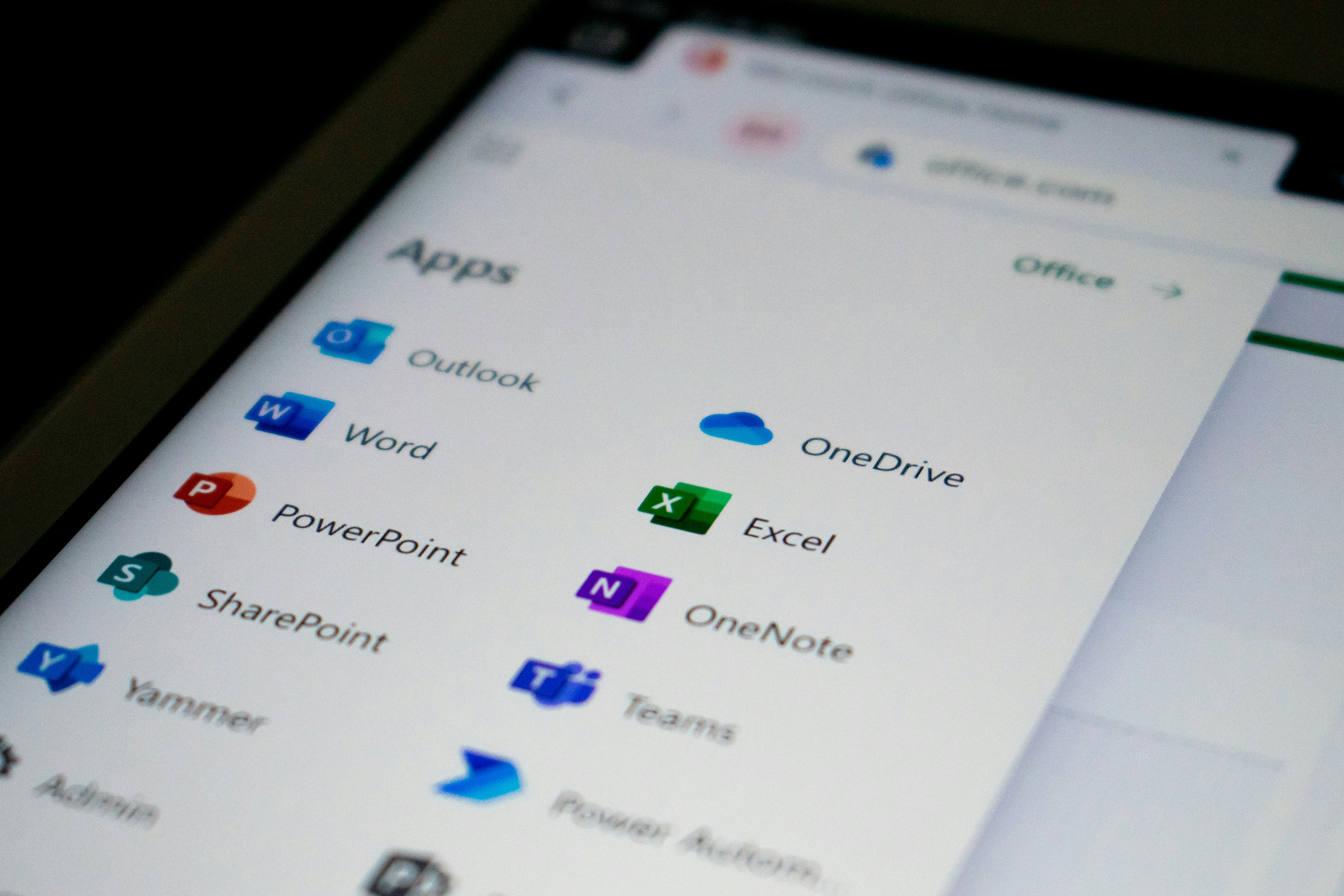 Photo by Ed Hardie on Unsplash
Behind all these product shifts and strategic AI pronouncements lies a staggering financial figure: Microsoft Corporation closed fiscal 2026 with $678 billion in commercial remaining performance obligations. Foreign Policy Journal noted this number, and it’s not a typo. $678 billion. This backlog, while demonstrating immense demand for Microsoft’s services – much of it undoubtedly for Microsoft Azure – also raises questions about revenue timing and cash conversion. It's a testament to the company's market dominance and the sticky nature of enterprise contracts. But it also means a vast amount of promised revenue is still awaiting delivery, requiring sustained execution and continued investment in the underlying infrastructure, like Azure, to fulfill those commitments.
Photo by Ed Hardie on Unsplash
Behind all these product shifts and strategic AI pronouncements lies a staggering financial figure: Microsoft Corporation closed fiscal 2026 with $678 billion in commercial remaining performance obligations. Foreign Policy Journal noted this number, and it’s not a typo. $678 billion. This backlog, while demonstrating immense demand for Microsoft’s services – much of it undoubtedly for Microsoft Azure – also raises questions about revenue timing and cash conversion. It's a testament to the company's market dominance and the sticky nature of enterprise contracts. But it also means a vast amount of promised revenue is still awaiting delivery, requiring sustained execution and continued investment in the underlying infrastructure, like Azure, to fulfill those commitments.
So, what does all this mean for the architects and strategists building on Microsoft Azure today? You’re seeing a company making big, expensive plays in AI that will shape the future of computing, while simultaneously refining its core cloud platform with an open-source Linux offering that could redefine enterprise server choices. Keep a close eye on the adoption rate of Azure Linux 4.0 and how the consolidated Copilot balances user convenience with privacy. Watch that $678 billion backlog; it’s a massive indicator of future growth, but also a measure of the task ahead.