NASA's Space Tow Truck LINK: Orbital Rescue Rewrites Space Rules
NASA's LINK spacecraft mission to rescue Swift Observatory tests new technology that could transform satellite servicing, shifting space economics for CTOs.
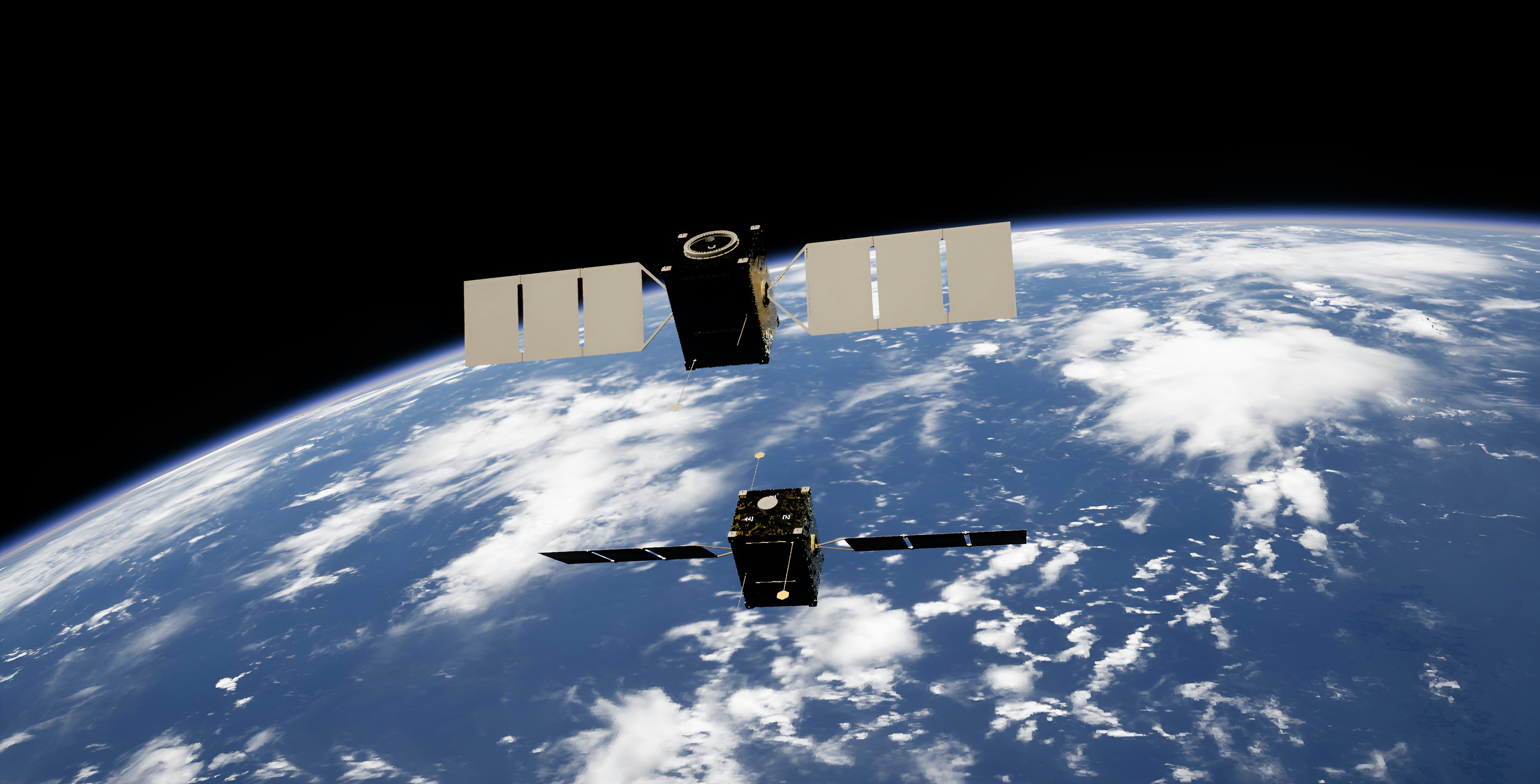
NASA's Space Tow Truck: Orbital Rescue Mission Redefines Future of Space Ops
NASA just launched a mission that sounds like science fiction. A 'space tow truck' - its target, the aging Swift Observatory. This isn't just about saving one satellite. It's a live test of new technology. For too long, once a satellite ran into trouble or drifted too low, it was written off. Not anymore. This mission, featuring the LINK spacecraft, aims to prove that a different future is possible for our orbital assets. It's a complex, high-stakes endeavor - with potentially huge payoffs.
LINK Spacecraft: The Nuts and Bolts of Orbital Rescue
So, what exactly is this "space tow truck" mission? At its core, it's about giving an old satellite a new lease on life. The LINK spacecraft will physically move the Swift Observatory to a higher orbit. Think about the precision involved here - you're engaging with an "aging" satellite, one that likely wasn't built with a cosmic tow service in mind. That means LINK has to identify, approach, capture, and then maneuver a dead weight in zero gravity - it's a complex dance, demanding next-level autonomous navigation and robotic capabilities. And the Swift Observatory isn't just any satellite - it's an important scientific instrument, vital for detecting gamma-ray bursts.
The target satellite's "aging" status implies it's either losing altitude due to orbital decay or experiencing some other issue making its current orbit unsustainable. Moving it higher buys it time, extending its operational lifespan, and postponing its eventual deorbit or transformation into space junk. The engineering challenge alone is immense - if you're building systems that need to operate autonomously in harsh, unpredictable environments, or if you're dealing with precise robotic manipulation, this mission offers a masterclass in complexity.
Why In-Space Servicing Is a Business Imperative for CTOs
For CTOs and IT managers, this mission isn't just cool science - it's a massive shift in economic calculus. Historically, a satellite's lifespan was finite and immutable: build it, launch it, use it until it breaks or runs out of fuel, then replace it. That's an expensive cycle. We're talking hundreds of millions, sometimes billions, to design, build, and launch new assets. But what if you could extend the life of an existing, perfectly functional piece of hardware with a relatively inexpensive service call? That's the promise of LINK's mission. "Transform future satellite servicing" - it's not hyperbole. It implies a world where capital expenditures on replacement satellites could drop significantly. It suggests better return on investment for existing assets. Imagine the impact on satellite operators - their depreciation schedules change, their long-term operational costs might decrease. For companies developing satellite networks, this could mean more resilient, longer-lived constellations. It shifts the entire business model from disposable hardware to maintainable, upgradable assets.
Risking It All: The Stakes of NASA's Space Tow Truck Mission
Let's be blunt: this is a high-risk endeavor. The whole point is "testing a new technology" - when you're testing something new in the unforgiving vacuum of space, failure is always on the table. What if LINK can't properly rendezvous with Swift? What if the capture mechanism malfunctions? The headlines trumpet the mission's promise, but the reality of space operations always carries inherent risk. One wrong calculation, one unhandled edge case, and the entire mission could go sideways - the financial implications of failure are substantial, not just the cost of the LINK spacecraft itself, but the lost opportunity for future servicing missions, and potentially, the premature demise of the Swift Observatory.
Beyond Decommissioning: How In-Space Maintenance Shifts the Developer Playbook
So, what does this actually mean for you, the developer, or the IT manager orchestrating complex systems? If this mission works, it opens up entirely new categories of challenges and opportunities. Forget simply launching and monitoring satellites until their demise - now, you're thinking about diagnostics in orbit, autonomous repair, modular designs that allow for servicing and upgrades. It means new software for orbital mechanics and trajectory planning, far more complex than simple deployment. It means advanced AI/ML for anomaly detection and predictive maintenance on spacecraft in situ. Developing standardized interfaces for different "service robots" to interact with various satellite platforms - that's where the next wave of innovation in space will happen. suddenly, the entire software stack for space operations needs to account for dynamic, on-orbit interventions. A shift from a "fire-and-forget" mentality to an "operate-and-maintain" one. If you're building software for terrestrial logistics, imagine extending those concepts to an environment where every movement costs millions and a miscalculation could create dangerous debris.
The Future of Space: What Comes After Swift's Orbital Boost?
If NASA's LINK spacecraft successfully moves the Swift Observatory - the implications stretch far beyond saving one satellite. This single mission tests a "new technology" that could unlock an entirely different approach to space infrastructure management. We're not just talking about rescuing aging scientific probes - we're talking about extending the life of commercial communication satellites, refueling propellant depots, performing in-orbit assembly of larger structures, or even actively cleaning up the growing problem of space debris. That's a big deal. The successful demonstration of this capability would be a green light for significant investment in orbital servicing - expect to see more companies entering this space, developing specialized vehicles for repair, refueling, and debris removal. This isn't just about space agencies anymore; it's about a commercial industry built around extending the utility of our assets in orbit. Watch for new startups, new funding rounds, and new partnerships focused on making space more sustainable and economically viable. The LINK mission is laying the groundwork for what could be a truly transformative shift in how we operate beyond Earth. So, keep an eye on NASA's LINK spacecraft and its rendezvous with the Swift Observatory. It's required watching - the results will dictate much about the direction of orbital operations for years to come. What will happen next? Only time will tell - but one thing's for sure: the future of space just got a whole lot more interesting.