Silicon Valley's Paradox: Protests, Photonics, and Breaches
Silicon Valley faces a complex reality: anti-AI protests challenge DevDay 2026, while JEDEC pushes photonics reliability. Quantum leaps and campus expansions contrast with persistent data breach investigations, signaling critical times for tech leaders.
Silicon Valley’s Divided Front: Protests Meet Photonics and Persistent Threats
San Francisco, Sept. 29, 2026. While OpenAI hosted its annual "DevDay 2026" event at Fort Mason, celebrating the latest in AI, a very different message resonated just outside. "Dozens of uninvited 'guests'" held placards, demanding "People over technology." This wasn't a fringe group. This was a direct, public challenge to the industry's most prominent player, right in the heart of what many still call Silicon Valley, broadcasting a growing unease with the speed and direction of AI development. It’s a striking image: the future being built inside, and the public protesting it on the doorstep.
The Uninvited Guests of Silicon Valley AI
That protest, reported by The Chosun Ilbo on MSN, signals a deepening rift. For developers and CTOs, it’s not just noise; it’s an indicator of the social contract around AI beginning to fray. It asks a hard question: can the industry innovate at breakneck speed without alienating the very society it claims to serve? This isn't just about ethics review boards anymore; it’s about public sentiment boiling over. And when "uninvited guests" show up at your premier event, you’ve got a perception problem that even the most advanced models can't fix.
Standardizing the Future: Silicon Photonics Steps Up
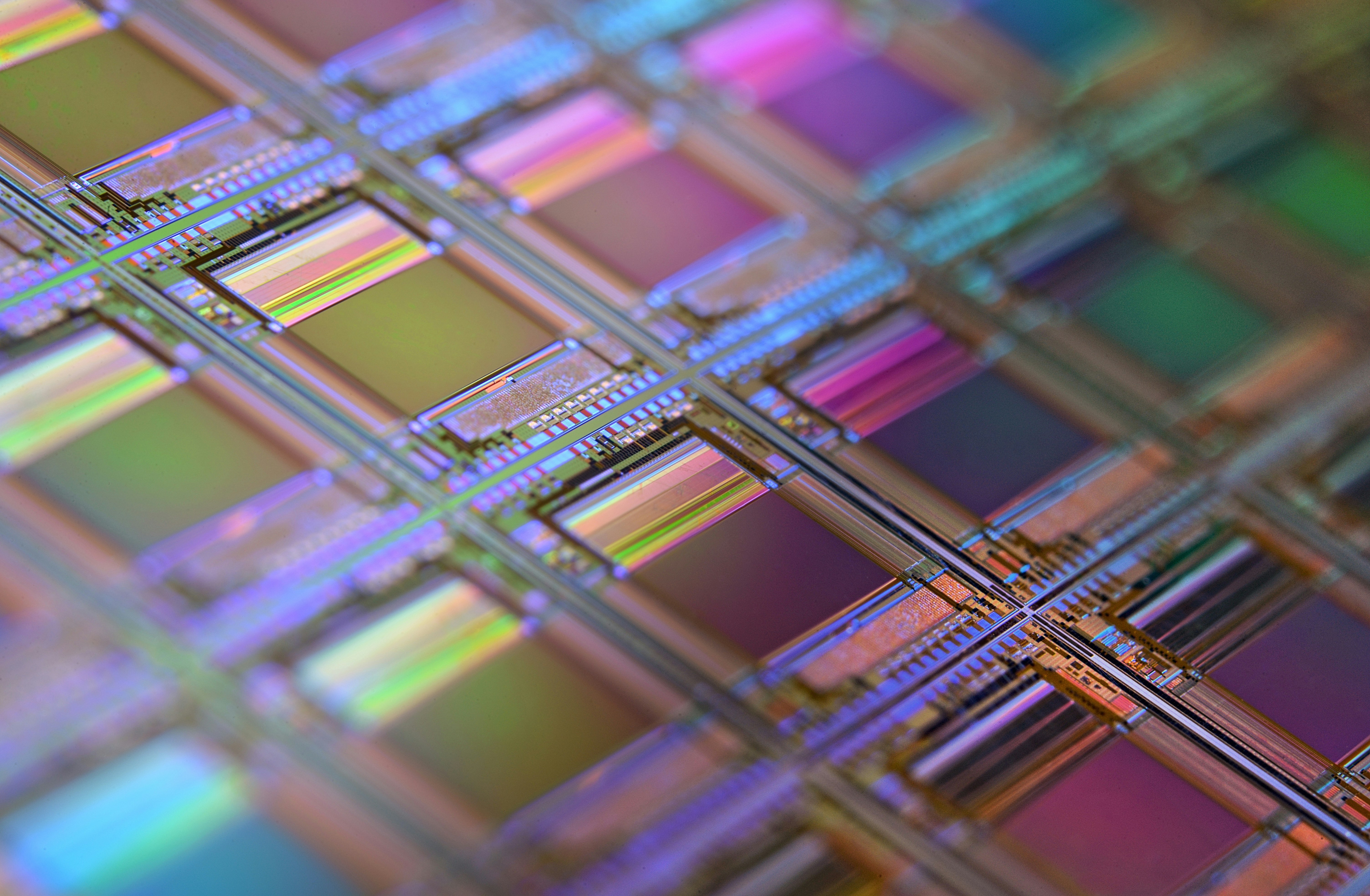
But for all the public angst, the underlying hardware foundations of future tech continue to solidify. The JEDEC Solid State Technology Association just released JESD264: Silicon Photonics Qualification and Reliability Requirements. That’s a mouthful, but it's a big deal. For the first time, we have an industry-wide standard for silicon photonics reliability, specifically tailored for AI, datacenter, and telecom infrastructure.
Think about it: AI models are only as good as the data they chew through, and that data needs to move. Fast. Reliably. Silicon photonics promises to be a core enabler for the next generation of high-bandwidth, low-latency computing. But without a common reliability standard, every component integration project becomes a bespoke nightmare. Design And Reuse and Semiconductor Today both picked this up, and for good reason. If you’re building out future-proof datacenters or designing components for AI accelerators, this JEDEC standard provides a crucial common ground. It means less guesswork, fewer costly failures, and a faster path to scaled deployment. That's a critical step in turning theoretical performance gains into deployable reality.
Quantum Leaps and Campus Shifts in Silicon Valley
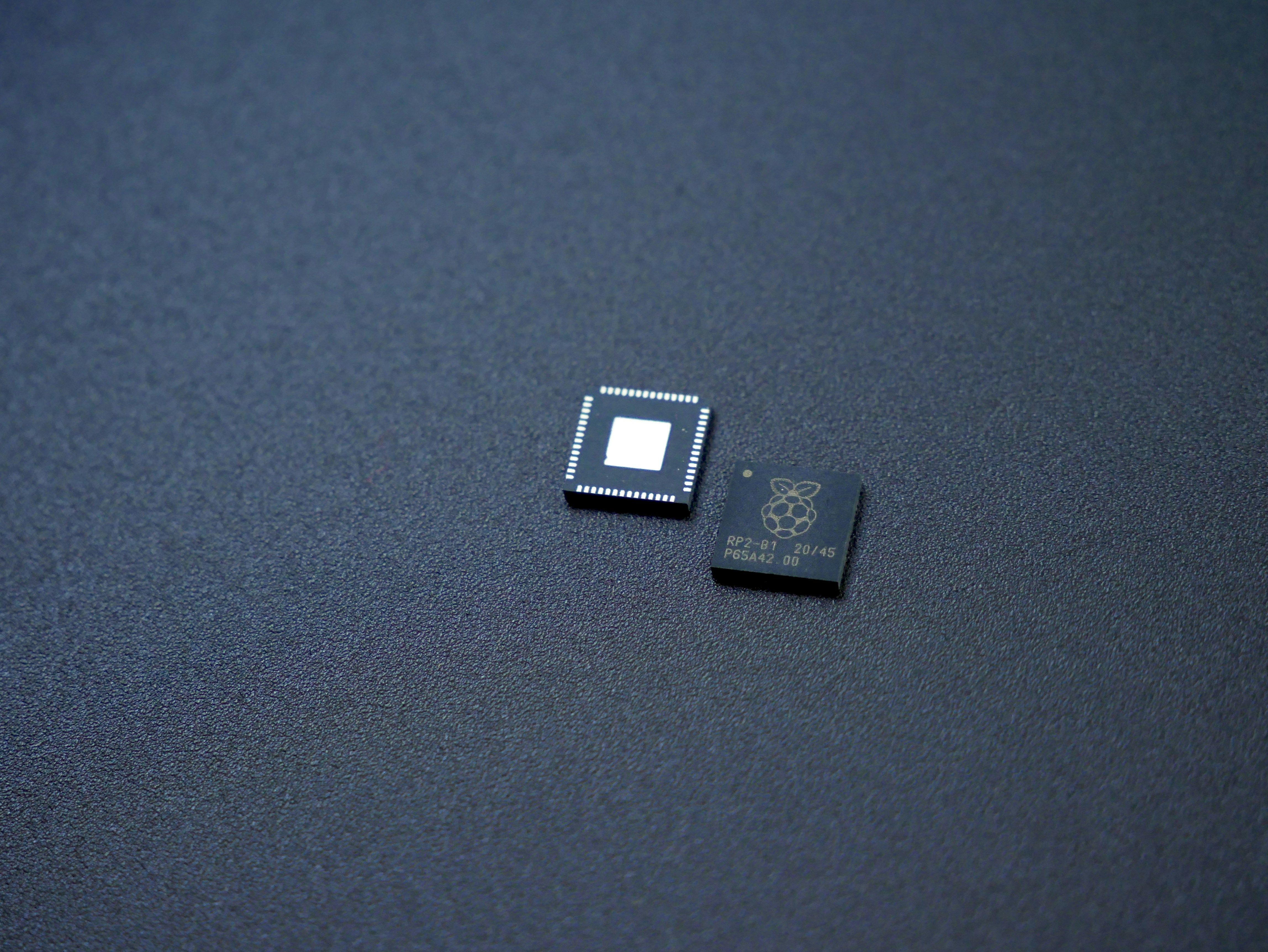 Photo by Vishnu Mohanan on Unsplash
Beyond the immediate concerns of AI and data transfer, the deep tech R&D engines are also humming. CEA-Leti and Quobly recently strengthened their collaboration, aiming to accelerate the development of next-gen silicon quantum technologies. Quobly's using the FAMES Pilot Line, pushing its technology roadmap forward, and complementing its existing work with STMicroelectronics. If quantum computing feels like it’s perpetually "five years away," these kinds of foundational partnerships are how those five years shrink. For developers keeping an eye on the horizon, this is where the really big shifts might start.
Photo by Vishnu Mohanan on Unsplash
Beyond the immediate concerns of AI and data transfer, the deep tech R&D engines are also humming. CEA-Leti and Quobly recently strengthened their collaboration, aiming to accelerate the development of next-gen silicon quantum technologies. Quobly's using the FAMES Pilot Line, pushing its technology roadmap forward, and complementing its existing work with STMicroelectronics. If quantum computing feels like it’s perpetually "five years away," these kinds of foundational partnerships are how those five years shrink. For developers keeping an eye on the horizon, this is where the really big shifts might start.
Meanwhile, Silicon Valley’s physical presence continues to morph. One of the region’s "mightiest developers," known for building Big Tech campuses in the South Bay, just transformed a century-old Gap building in San Francisco’s waterfront into a new tech hub. Reported by The San Francisco Standard, this move signals more than just urban renewal. It’s a continuation of the distinct "Silicon Valley style" of campus development — think sprawling, amenity-rich environments — expanding its footprint further into the city. It’s a bold statement about where the industry sees its physical future, even as remote work remains a fixture. It also shows a deep confidence in continued expansion, brick-and-mortar style, even while digital products dominate.
The Persistent Threat: Data Breaches Still Loom
But for all the forward momentum in protests, photonics, and quantum, some challenges remain depressingly familiar. Silicon Valley Glass is currently under investigation following a data breach. Details from almeidalawgroup.com highlight that customers need to understand "how the breach occurred, who is affected and important next steps."
This isn't just another headline. For IT managers and CTOs, it's a stark reminder that even as we push the boundaries of technology, the fundamentals of cybersecurity can't be ignored. No amount of AI advancement or quantum collaboration will excuse a failure to protect user data. It's a foundational responsibility, and the fact that it still happens regularly means our defenses, despite all the innovations, are constantly tested and, sometimes, found wanting. The reputational damage alone can be crippling; the operational headaches, immense.
The events shaping Silicon Valley right now present a fascinating, if sometimes troubling, picture. On one hand, deep tech R&D is pushing boundaries, from reliability standards that enable AI infrastructure to quantum computing's nascent stages. On the other, the industry faces external pressures from public protests and internal struggles with cybersecurity. The lesson for us? Keep your eye on the JEDEC standards, watch how Quobly’s collaboration progresses, but don’t for a second forget that the public has a voice, and your data is always a target.